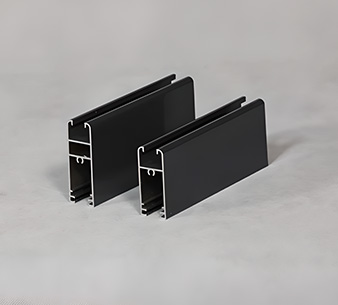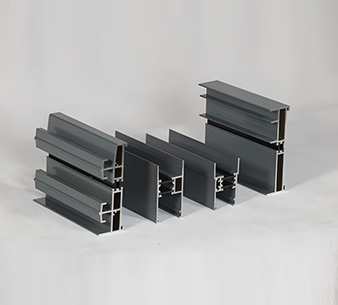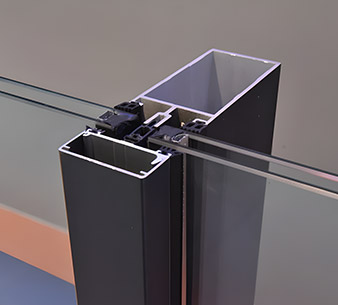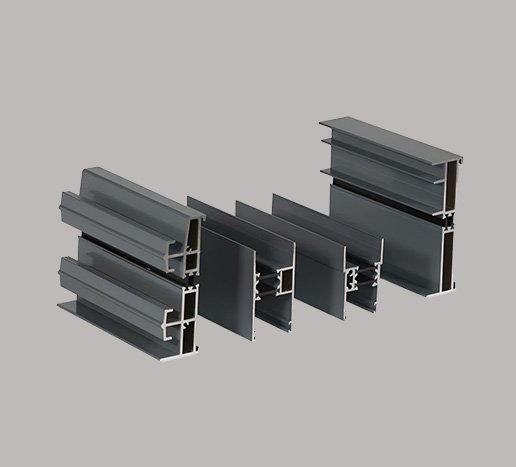
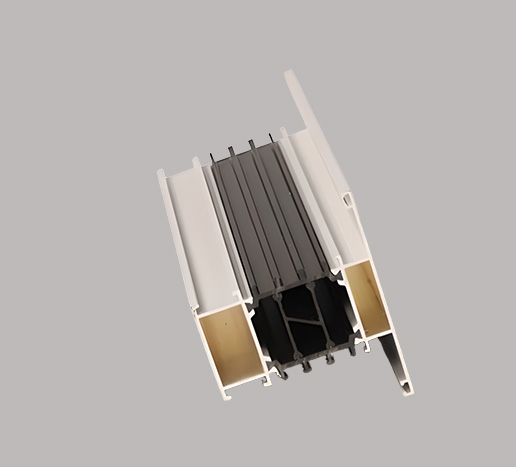
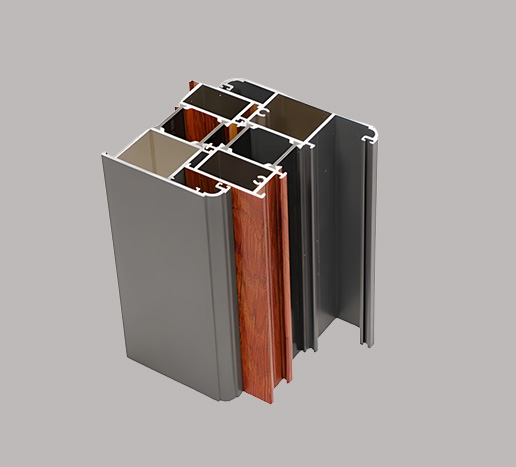
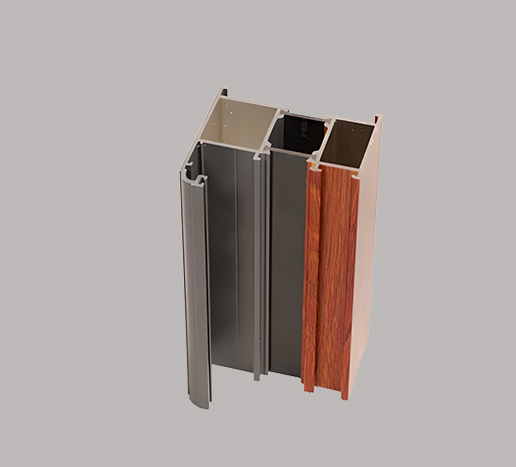
Thermal break technology is a method used in the manufacturing of aluminium doors and windows, wherein a barrier is inserted between the interior and exterior sections of the frame to reduce heat transfer.
Thermal break technology is an aluminium door and window manufacturing technique that incorporates a thermally insulating barrier between the interior and exterior sections of the frame. The following are several advantages of implementing thermal break technology in aluminium doors and windows:
Improved Energy Efficiency
Thermal break technology prevents heat transfer through the frame, significantly improving the energy efficiency of doors and windows. As a result, less energy is required to maintain comfortable indoor temperatures, leading to reduced energy costs and a smaller environmental footprint.
Increased Comfort
Thermal break technology enhances indoor comfort by minimizing heat transfer, maintaining a more uniform temperature distribution, and reducing cold spots near windows and doors.
Decreased condensation
Thermal break technology can also contribute to reducing condensation on the interior surface of the frame, thereby minimizing the risk of mold growth and associated issues.
Durability
Thermal break technology not only enhances the structural integrity of door and window frames, reducing the likelihood of damage and extending their service life, but also allows for a wide range of design and style options in aluminium doors and windows, thereby improving their aesthetic appeal and offering greater customization potential. Overall, thermal break technology is an effective solution for improving the energy efficiency, comfort, durability, and visual appeal of aluminium doors and windows, while providing flexibility in design customization.
Thermal break profiles significantly enhance the energy efficiency of windows and doors by creating a physical barrier that separates the interior and exterior components of the frame. This barrier inhibits heat transfer through the frame, helping to maintain a more stable indoor temperature—keeping interiors cooler during summer and warmer in winter.
Key benefits of thermal break profiles include:
Energy efficiency: By reducing the amount of energy required for heating and cooling, thermal break profiles contribute to lower utility costs and a reduced carbon footprint.
Security: These profiles can enhance the structural integrity of window and door systems, thereby improving overall security.
Thermal and Acoustic Performance: Thermal break materials conduct heat and noise up to 1,000 times more slowly than standard aluminium, resulting in improved thermal insulation and noise reduction.