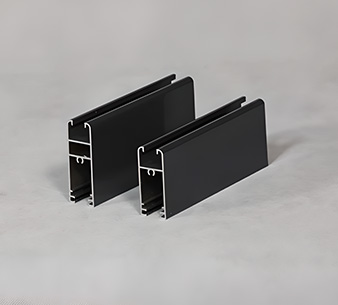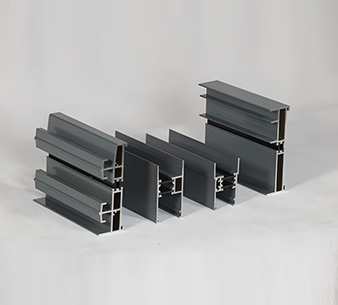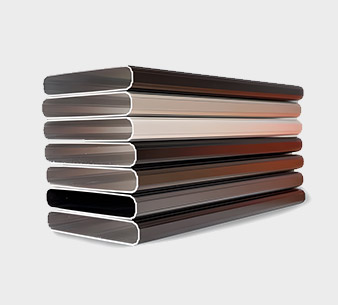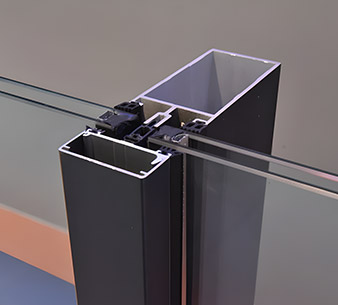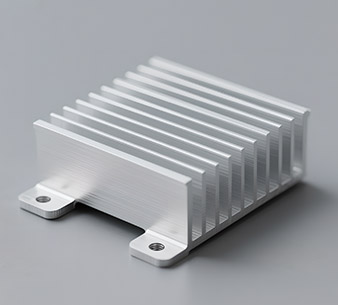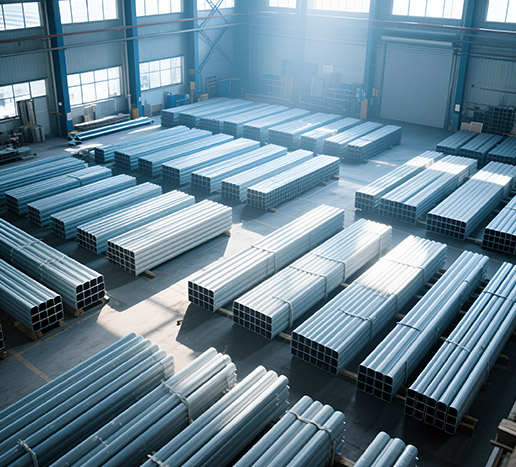
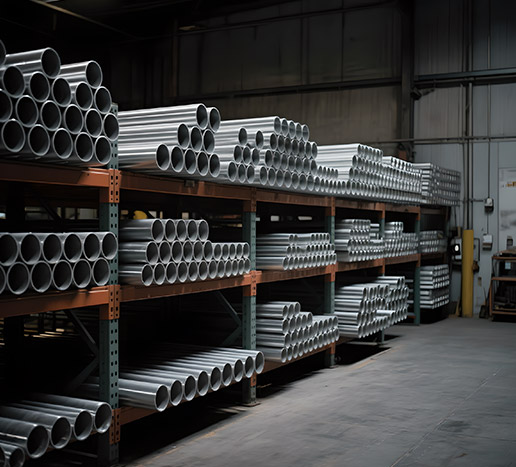
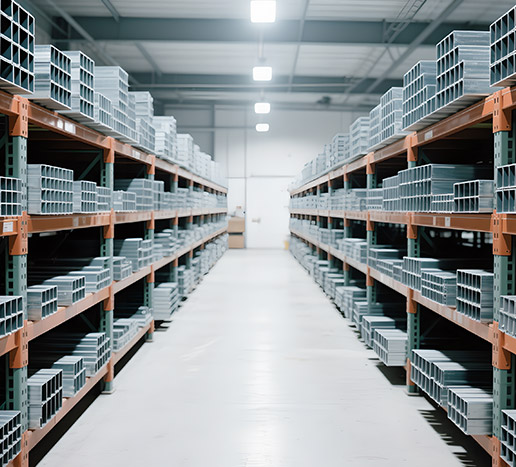
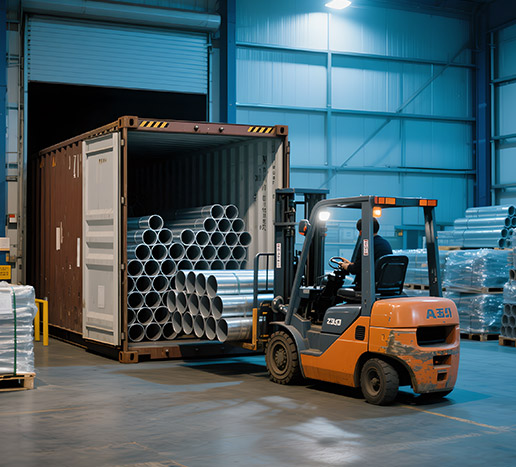
Industrial aluminium profiles are alloy materials primarily composed of aluminium. These materials are produced by melting aluminium ingots and extruding them to form various cross-sectional shapes. The specific alloy composition may vary depending on the intended application.
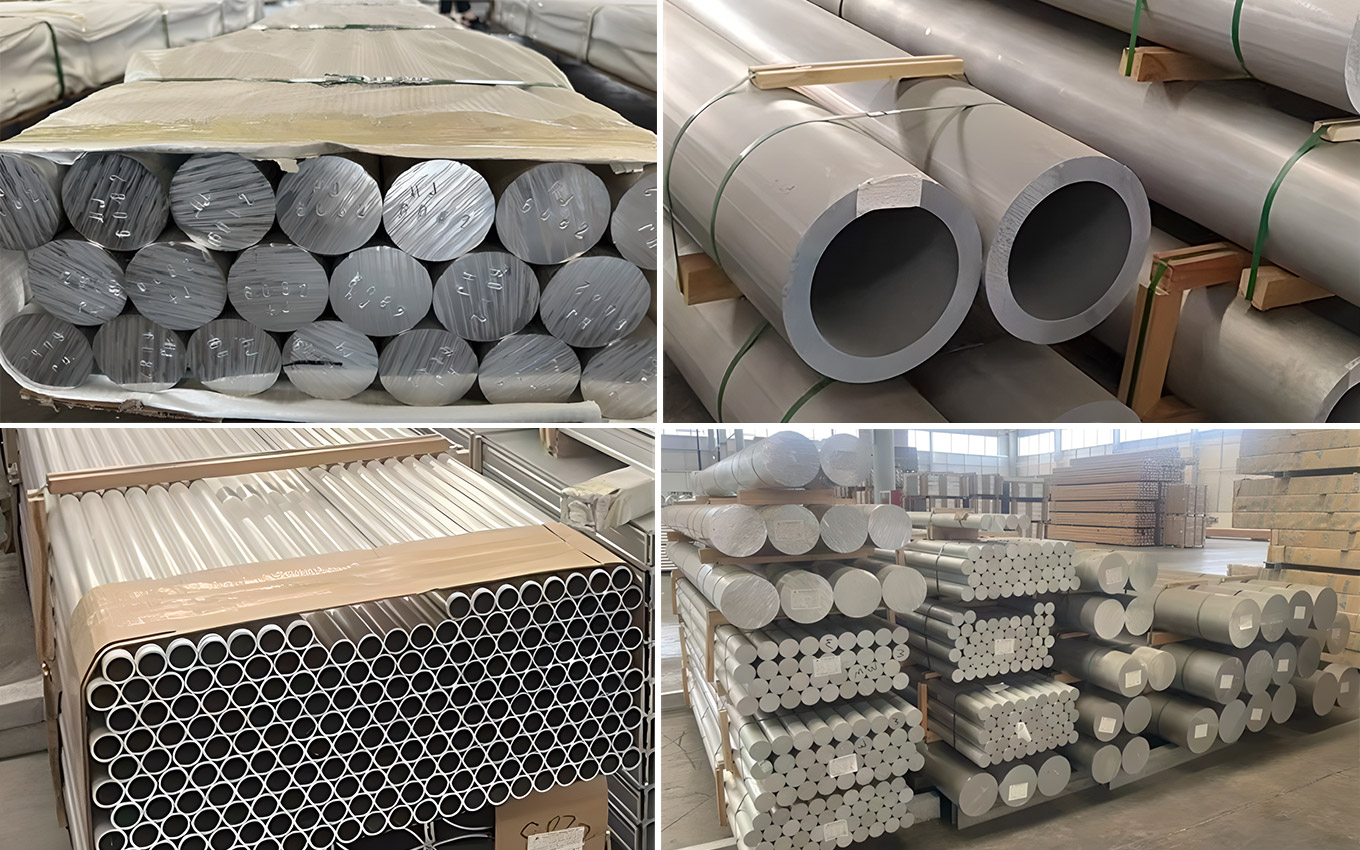
Industrial aluminium profiles are alloy materials primarily composed of aluminium. These profiles are produced by melting aluminium rods and extruding them into aluminium materials with various cross-sectional shapes. The mechanical properties of the resulting industrial aluminium profiles vary depending on the specific alloy composition used, which in turn determines their respective application areas. Generally, industrial aluminium profiles refer to all aluminium profiles excluding those used for architectural purposes such as doors, windows, curtain walls, interior and exterior decoration, and structural building components. Standard industrial aluminium profiles include aluminium rods, tubes, sheets, forged rods, forged profiles, conveyor line supports, electrical conduits, and motor housings. Aluminium rod diameters typically range from 8mm to 300mm, and sheet widths range from 8mm to 400mm, with thicknesses between 1.0mm and 50mm; both are available in customized dimensions.
The hardness standard for industrial aluminium profiles is typically specified as a minimum of 8 degrees on the Webster scale for profiles made from 6063-T5 alloy, which is considered acceptable. The commonly used materials include 6060-T66, 6082-T6, and 6005A-T6, although customized options are also available.
Length standard: The standard length of industrial aluminium profiles produced by most manufacturers is generally 6.02 meters. For applications requiring longer lengths, customization is required, with a maximum allowable length of 7.5 meters.
Cutting standard: The cutting tolerance should generally be controlled within 0.5 mm to ensure smooth assembly of the aluminium profile frame.
Production standards: All industrial aluminium profiles are manufactured in accordance with European production standards and under the ISO 9001 quality management system. The profiles are produced using standard aluminium ingots without the addition of recycled materials, ensuring adequate thickness and freedom from defects.
A qualified aluminium profile must meet stringent dimensional tolerance requirements, which are categorized into high-precision and ultra-high-precision grades. These grades differ in their respective parameter specifications. As illustrated in the figure above, higher grades correspond to smaller allowable tolerances and greater dimensional accuracy. The dimensional tolerances for 6063 series aluminium profiles typically fall within the high-precision range and can be measured using high-precision calipers or specialized measuring instruments. If a profile is found to be outside the acceptable dimensional tolerance range, the entire batch may be deemed non-conforming. In such cases, individual testing can be conducted to identify and separate conforming products for use.