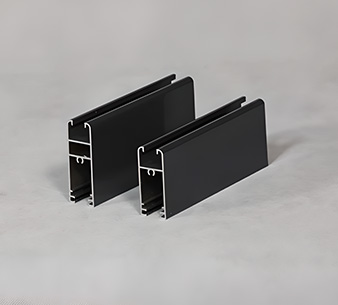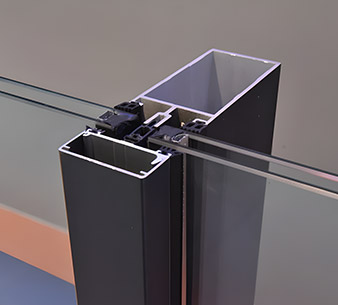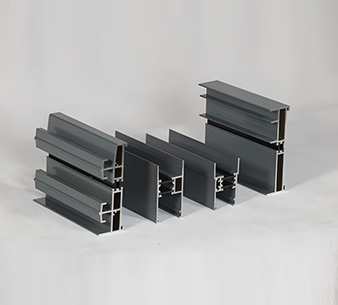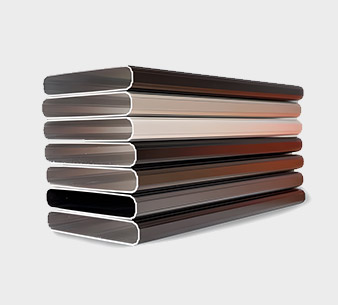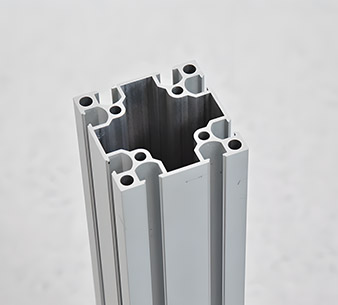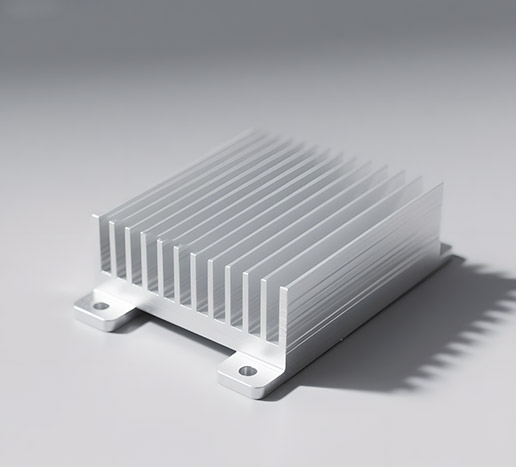
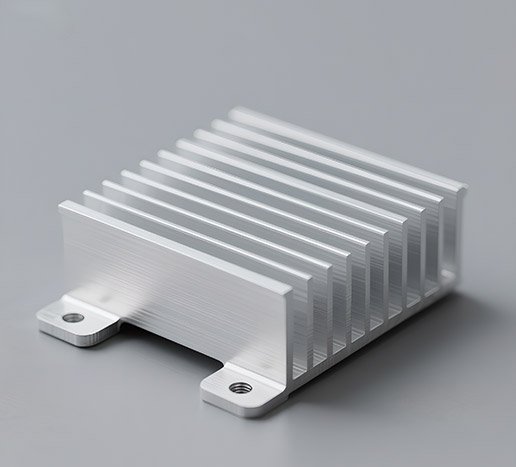
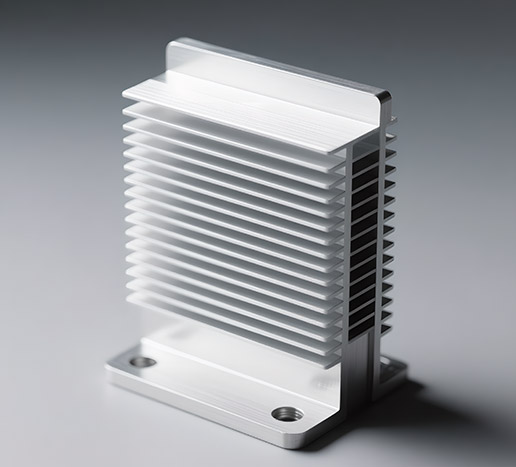
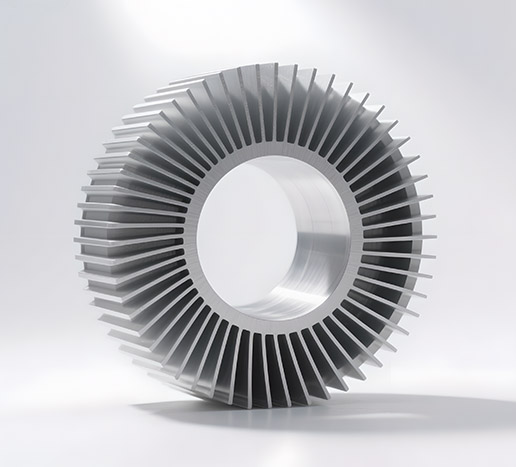
The aluminium heat sink profile is considered the optimal choice for heat sink materials. It demonstrates clear advantages in various aspects such as energy efficiency, material properties, aesthetics, cost, and weight.
Aluminium heat sinks, including models used for electronic and electrical appliances, computer aluminium heat sinks, sunflower-shaped aluminium heat sinks, and power semiconductor heat sink profiles, were analyzed and compared in this study. The results indicate that aluminium heat sinks are the optimal choice for thermal management materials. They demonstrate superiority in various aspects such as energy efficiency, material properties, aesthetics, cost, and weight. Due to their excellent thermal performance, aluminium heat sinks are widely utilized in industries such as machinery, automotive, wind power generation, construction equipment, air compressors, railway locomotives, and household appliances.
1. The high thermal conductivity of aluminium profiles is a key factor in ensuring effective heat dissipation and serves as an ideal medium for thermal energy transfer.
2. Aluminiumheat sinks offer advantages such as rapid heating, high efficiency, lightweight design, and ease of machining and fabrication.
3. For heat sinks of the same specifications, the weight of an aluminium heat sink is only one-third that of a steel heat sink, making aluminium the lightest material option among various heat sink materials. This significantly facilitates transportation and installation.
4. Aluminium heat sinks exhibit excellent thermal conductivity, fast heat dissipation, and strong mechanical strength.
5. Aluminium heat sink profiles are corrosion-resistant and have a long service life.
6. These profiles are compatible with a wide range of surface treatments, enhancing their adaptability and durability.
7. Aluminium heat sink profiles possess high structural strength, ensuring safe operation and the ability to withstand high pressure. 8.The lightweight nature of aluminium further contributes to its suitability for various applications.
8. The lightweight nature of aluminium further contributes to its suitability for various applications.
In a word, High Thermal Conductivity: aluminium has excellent thermal conductivity, which means it efficiently transfers heat. This property allows heat to move quickly away from the heat source and into the heat sink.
Lightweight: aluminium is a lightweight material compared to other metals such as copper. This characteristic is particularly beneficial in applications where weight reduction is crucial, such as aerospace or portable electronic devices..
Cost-Effective: aluminium is relatively inexpensive compared to other metals commonly used in heat sinks, such as copper.
Corrosion Resistance: aluminium naturally forms a protective oxide layer on its surface, which provides good resistance against corrosion.
Ease of Manufacture ability: aluminium is a highly malleable and ductile material, making it easy to manufacture into various shapes and sizes.